
Category Archives: Health/Wellness

Managing Urinary Incontinence and Pelvic Floor Health After Pregnancy

Urinary incontinence — the unintentional loss of bladder control — is a common concern for women, particularly after pregnancy and childbirth. Weakening of the pelvic floor muscles, hormonal changes, and the physical strain of carrying a baby can contribute to leakage, urgency, or difficulty controlling the bladder. Understanding the causes and strategies to strengthen the pelvic floor can restore confidence and improve daily life.

Pelvic floor muscles provide essential support for the bladder, uterus, and bowel. Pregnancy, vaginal delivery, and certain gynecologic surgeries can stretch or weaken these muscles, leading to urinary incontinence. Even mild leakage can feel frustrating, but targeted exercises and mindful lifestyle adjustments can make a significant difference.

Medical and therapeutic options are available. Pelvic floor physical therapy helps women regain muscle strength and coordination through guided exercises and posture training. Medications may also be recommended in some cases to manage bladder contractions or improve sphincter function. Early intervention often leads to the best outcomes, so seeking guidance as soon as symptoms appear is key.

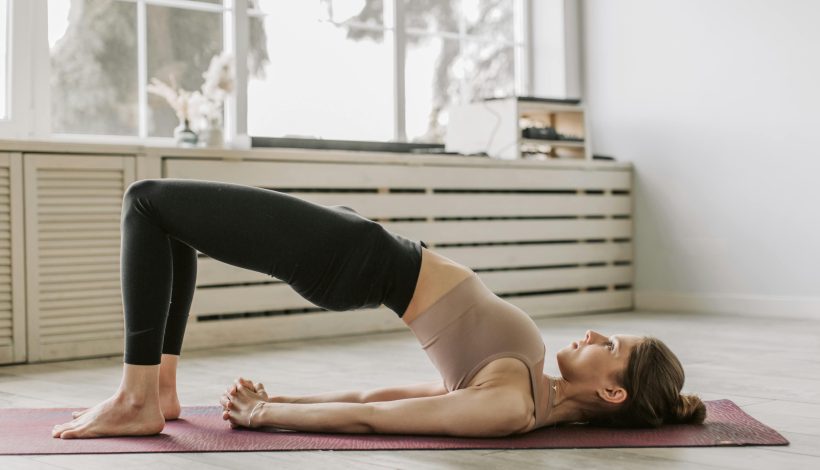
Lifestyle strategies complement professional care. Maintaining a healthy weight, avoiding bladder irritants (like caffeine and excess sugar), and staying hydrated in moderation support bladder health. Regular practice of pelvic floor exercises, also called Kegels, can be done at home and gradually improve strength and control.

Patient Perspective:
Recovering pelvic floor strength and bladder control after pregnancy can feel challenging, but small, consistent actions lead to meaningful results. Tracking progress, celebrating improvements, and openly discussing concerns with a healthcare provider empowers women to regain confidence and enjoy everyday life without fear of leakage.

Nursing Perspective:
Nurses play a critical role in educating patients about urinary incontinence and pelvic floor health. Guiding women through proper exercise technique, reviewing lifestyle modifications, and monitoring progress ensures safe, effective recovery. Encouraging consistent practice and offering reassurance builds both confidence and long-term success.

💡 Tip to Try This Week:
Set aside 5 minutes each day for pelvic floor exercises. Focus on slow, controlled contractions and releases of the muscles that support the bladder. Combine with mindful posture and deep breathing. Small, consistent practice strengthens your pelvic floor, improves bladder control, and supports overall core stability.

Written by Rosie Moore, DNP, RN, LNC, BC-FMP

Why Seeing and Feeling Results Matters in Functional Medicine

Even the most qualified practitioners can struggle to convey the true value of their work. Patients may understand the science, but lasting change often happens when the results are visible and emotional — when you can see and feel the difference in your daily life.

Functional medicine focuses on your whole body and lifestyle, not just symptoms. Credentials and knowledge are important, but people connect more deeply with outcomes like:

  • Increased energy and vitality

  • Balanced mood and hormones

  • Freedom from constant stress or fatigue

  • Enjoying daily life fully

When patients can picture themselves thriving, they’re more motivated to engage fully in the process.

Think of it like learning a new skill. You might understand the instructions, but seeing yourself successfully play a song on the piano or cook a meal perfectly makes the effort feel worth it. Health transformation works the same way — results that are felt and seen reinforce commitment.

Tips for Experiencing Value:

  • Focus on how changes feel day-to-day, not just numbers on a chart.

  • Celebrate small wins — each improvement builds momentum.

  • Visualize your ideal state of health and use it to guide daily habits.

Understanding the science behind health is important, but seeing and feeling real change is what motivates consistent action. Celebrate your progress, visualize the results you want, and let the emotional impact guide your journey to wellness.

This week, notice one area where you feel improvement — more energy, better sleep, or less stress — and take a moment to celebrate it.

Written by Rosie Moore, DNP, RN, LNC, BC-FMP

Lowering Cholesterol Naturally: Supporting Heart Health Every Day

Cholesterol is essential for many body functions, but when levels become too high, it can increase the risk of heart disease and stroke. Many people are surprised to learn that simple lifestyle changes can significantly improve cholesterol levels — often complementing or even reducing the need for medications.

Diet plays a central role in cholesterol management. Incorporating fiber-rich foods like oats, beans, lentils, fruits, and vegetables helps reduce LDL, the “bad” cholesterol. Healthy fats, including those from olive oil, nuts, seeds, and fatty fish, support heart health while improving HDL, the “good” cholesterol. Minimizing processed foods, trans fats, and excess sugar further protects your arteries and cardiovascular system.

Regular physical activity is equally important. Exercise not only helps control weight but also increases HDL levels and improves overall circulation. Low-impact aerobic activities, strength training, and even brisk walking for 20–30 minutes a day can make a noticeable difference over time.

Weight management and stress reduction are additional factors. Excess body fat, particularly around the waist, contributes to higher cholesterol and inflammation. Mindfulness practices, deep breathing, and consistent sleep routines help lower stress hormones that can negatively impact lipid levels.

Patient Perspective:
Taking control of cholesterol doesn’t require drastic measures overnight. Small, intentional steps — like adding an extra serving of vegetables, walking after meals, or swapping out processed snacks for nuts — build habits that support heart health and overall wellness. Tracking progress and celebrating improvements reinforces motivation and long-term success.

Nursing Perspective:
Nurses play a vital role in guiding patients to adopt natural strategies for cholesterol management. Educating about diet, exercise, stress reduction, and proper monitoring empowers patients to take ownership of their heart health. Nurses also help patients understand lab results, set realistic goals, and recognize when medical interventions are necessary.

💡 Tip to Try This Week:
Choose one heart-healthy swap for your meals — for example, replace butter with olive oil, enjoy a handful of nuts instead of chips, or add beans to your salads. These small changes, done consistently, support lower cholesterol, better energy, and long-term heart health.

Written by Rosie Moore, DNP, RN, LNC, BC-FMP

Why Waiting Can Cost Your Health — The Power of Urgency in Wellness

Many people know they want to feel better, but they often wait until symptoms or stress become unbearable before taking action. Functional medicine works best when issues are addressed early — yet the mind often rationalizes waiting.

Even if you’re functioning at 60–70% of your best, it’s easy to tell yourself: “I’ll start next week” or “It’s not that bad yet.” The truth is, each day of waiting can come at a cost:

  • Lost energy and productivity

  • Increased stress and frustration

  • Delayed healing and more complicated health issues

Think of it like a leaky roof. A small leak may seem manageable at first, but ignoring it can lead to water damage, mold, and expensive repairs. Addressing small issues early prevents bigger problems later. Health works the same way — acting now can save time, energy, and discomfort down the road.

Tips:

  • Ask yourself: “What’s the cost of staying where I am for another month?”

  • Visualize how life could feel with more energy, balance, and wellness.

  • Take one small step today — even a minor change can kickstart momentum.

Waiting for symptoms to worsen doesn’t make change easier — it usually makes it harder. By taking action now, you give your body the best chance to heal efficiently and effectively.

Today, identify one small habit that’s been lingering — like improving sleep, hydration, or movement — and commit to doing it consistently this week.

Written by Rosie Moore, DNP, RN, LNC, BC-FMP

Why Free Tips Aren’t Enough — The Importance of Structured Healing

We live in an age of information — articles, videos, and tips are everywhere. Many people know what they “should” do for their health, but knowing isn’t the same as transforming. Free education can help, but lasting results usually require structure, accountability, and personalized guidance.

It’s common to think, “I can just follow the tips I find online or from someone I trust.” The problem is that health transformation isn’t one-size-fits-all. Every body is unique, and lasting change often requires:

  • Personalized lifestyle adjustments

  • Structured routines and follow-ups

  • Accountability to stay consistent

  • Expert guidance to interpret labs and results

Free tips are great for learning, but real progress comes when information is applied consistently and tailored to your body and situation.

Think of it like learning to cook. Reading recipes or watching videos helps, but you don’t truly master cooking until you practice, adjust flavors to your taste, and learn what works best for your kitchen. Health works the same way — knowledge is the first step, but transformation comes from doing.

Tips for Applying Knowledge:

  • Start with one change at a time — too much at once can feel overwhelming.

  • Track your progress — seeing improvements reinforces habits.

  • Seek guidance when needed — personalized insights make the process more effective.

Free tips can inspire change, but structured action creates results. Take the knowledge you already have and apply it thoughtfully — even small, consistent actions can lead to big transformations over time.

This week, pick one tip you’ve read about and commit to applying it daily. Track your progress and notice the difference.

Written by Rosie Moore, DNP, RN, LNC, BC-FMP