
Tag Archives: healthy diet

Boost Gut Health Naturally: Foods That Fight Inflammation

Your gut plays a central role in overall health, affecting digestion, immunity, and even mood. A balanced gut microbiome — the community of bacteria living in your intestines — helps protect against inflammation and supports proper nutrient absorption. Choosing the right foods can help your body cultivate beneficial gut bacteria naturally while reducing inflammation

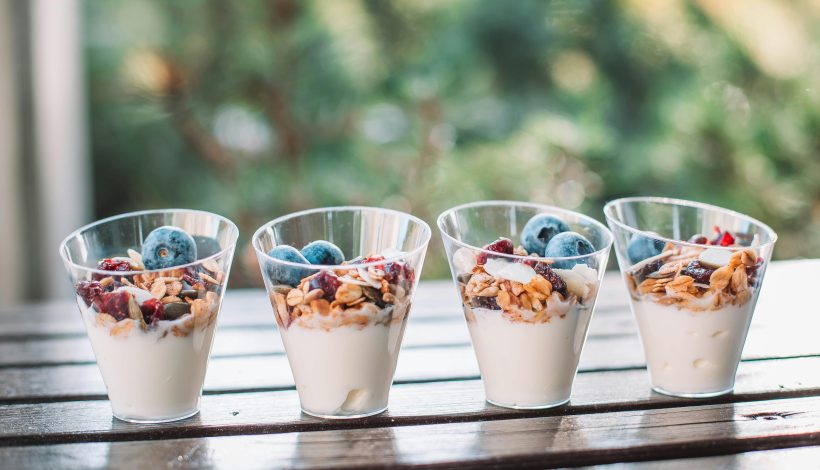
Fermented foods are among the most powerful allies for gut health. Yogurt, kefir, sauerkraut, kimchi, miso, and kombucha contain live probiotics that help balance intestinal bacteria. These foods can improve digestion, reduce bloating, and enhance immune function. Even small daily servings can make a noticeable difference over time.

Prebiotic foods feed your beneficial gut bacteria, helping them thrive. Garlic, onions, leeks, asparagus, bananas, and whole grains are rich in prebiotic fibers that fuel probiotic activity. Pairing prebiotics with probiotic foods — for example, adding garlic to a sauerkraut dish — can maximize gut support and enhance anti-inflammatory effects.

Fiber-rich fruits, vegetables, nuts, and seeds also play a key role in gut health. They promote regular bowel movements, stabilize blood sugar, and reduce chronic inflammation that contributes to fatigue, joint pain, and cardiovascular risk. Eating a colorful variety ensures you get a broad spectrum of nutrients and phytonutrients to nourish your microbiome.

Patient Perspective:
Improving gut health doesn’t require drastic changes. Introducing one probiotic-rich food and one prebiotic food per day is a simple start. Tracking how your body responds — such as reduced bloating, improved digestion, or better energy — helps reinforce habits and encourages long-term consistency.

Nursing Perspective:
Nurses support patients in understanding the connection between diet, gut health, and inflammation. Educating on probiotic and prebiotic sources, providing practical meal suggestions, and monitoring improvements ensures safe, sustainable lifestyle changes. Small, consistent adjustments can yield meaningful benefits for both gut function and overall wellness.

💡 Tip to Try This Week:
Add one fermented food and one prebiotic-rich food to your daily meals. For example, top your salad with a spoonful of sauerkraut and include a banana with breakfast. These simple choices support beneficial gut bacteria, reduce inflammation, and enhance digestion naturally.

Written by Rosie Moore, DNP, RN, LNC, BC-FMP
Lowering Cholesterol Naturally: Supporting Heart Health Every Day

Cholesterol is essential for many body functions, but when levels become too high, it can increase the risk of heart disease and stroke. Many people are surprised to learn that simple lifestyle changes can significantly improve cholesterol levels — often complementing or even reducing the need for medications.

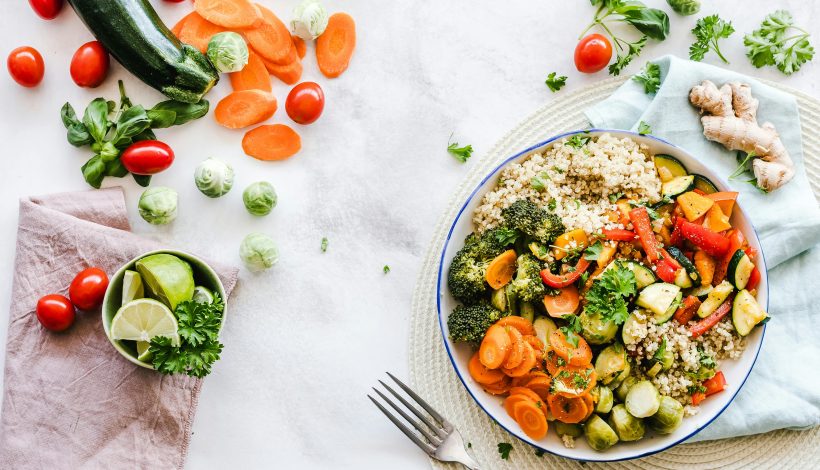
Diet plays a central role in cholesterol management. Incorporating fiber-rich foods like oats, beans, lentils, fruits, and vegetables helps reduce LDL, the “bad” cholesterol. Healthy fats, including those from olive oil, nuts, seeds, and fatty fish, support heart health while improving HDL, the “good” cholesterol. Minimizing processed foods, trans fats, and excess sugar further protects your arteries and cardiovascular system.

Regular physical activity is equally important. Exercise not only helps control weight but also increases HDL levels and improves overall circulation. Low-impact aerobic activities, strength training, and even brisk walking for 20–30 minutes a day can make a noticeable difference over time.

Weight management and stress reduction are additional factors. Excess body fat, particularly around the waist, contributes to higher cholesterol and inflammation. Mindfulness practices, deep breathing, and consistent sleep routines help lower stress hormones that can negatively impact lipid levels.

Patient Perspective:
Taking control of cholesterol doesn’t require drastic measures overnight. Small, intentional steps — like adding an extra serving of vegetables, walking after meals, or swapping out processed snacks for nuts — build habits that support heart health and overall wellness. Tracking progress and celebrating improvements reinforces motivation and long-term success.

Nursing Perspective:
Nurses play a vital role in guiding patients to adopt natural strategies for cholesterol management. Educating about diet, exercise, stress reduction, and proper monitoring empowers patients to take ownership of their heart health. Nurses also help patients understand lab results, set realistic goals, and recognize when medical interventions are necessary.

💡 Tip to Try This Week:
Choose one heart-healthy swap for your meals — for example, replace butter with olive oil, enjoy a handful of nuts instead of chips, or add beans to your salads. These small changes, done consistently, support lower cholesterol, better energy, and long-term heart health.

Written by Rosie Moore, DNP, RN, LNC, BC-FMP