

Tag Archives: Injury Recovery

Exercising with Hip and Knee Pain: Why It Matters and How to Do It Safely

Hip and knee pain, whether from aging, injury, or chronic conditions, can make movement feel intimidating. Many people naturally avoid exercise when joints hurt, but staying active is actually one of the most important ways to maintain strength, mobility, and overall function. Proper movement helps prevent stiffness, supports recovery, and can reduce future injury risk.

Understanding the cause of your pain is key. After an injury, muscles, ligaments, and connective tissues around the hip and knee may weaken, leading to instability and altered movement patterns. Avoiding activity altogether can worsen weakness and reduce joint support, which may make pain and functional limitations more pronounced over time. Exercising with guidance helps rebuild strength safely.

Low-impact, joint-friendly exercises are often the most effective. Options like swimming, stationary cycling, resistance band work, gentle yoga, or targeted physical therapy routines allow you to strengthen muscles around the joints without excessive strain. Core strengthening also supports hip and knee stability by improving posture and alignment. Small, consistent movements improve flexibility, reduce pain, and enhance balance.

Patient Perspective:
Staying active with joint pain can feel intimidating, but small, manageable steps make a difference. Focusing on exercises that don’t aggravate your pain, combining strength with gentle stretching, and tracking progress gradually restores confidence and mobility. Pairing movement with proper nutrition and hydration supports overall recovery and joint health.

Nursing Perspective:
Nurses play an important role in guiding patients through safe activity after injury or with chronic joint pain. Demonstrating proper technique, suggesting modifications, monitoring for warning signs, and encouraging consistent participation ensures that exercises support recovery without causing harm. Education and reassurance empower patients to stay active while protecting their joints.

💡 Tip to Try This Week:
Select one low-impact exercise to support your hips and knees, such as a 10-minute stationary bike session, seated leg lifts, or gentle bridges. Focus on controlled movements and proper alignment. Consistency, even in small sessions, strengthens the muscles that support your joints, reduces pain, and improves overall mobility.

Written by Rosie Moore, DNP, RN, LNC, BC-FMP
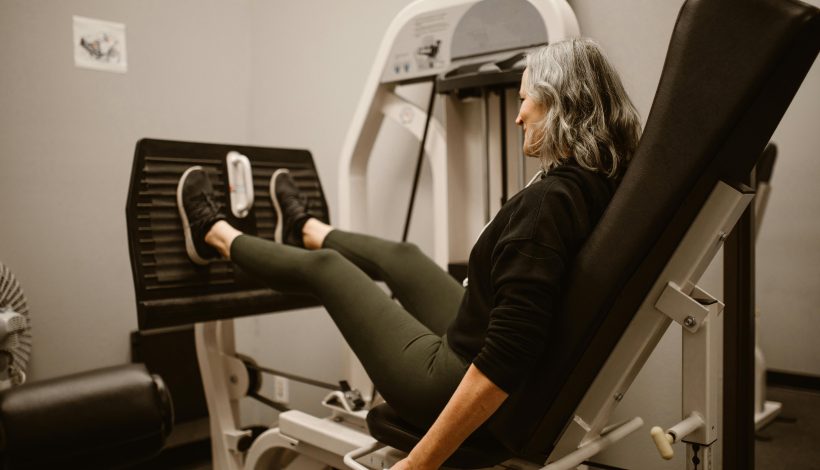
Understanding Age-Related Muscle Loss and How to Combat It

As we age, our bodies naturally lose muscle mass and strength, a process known as sarcopenia. This decline can affect balance, mobility, and overall health, increasing the risk of falls and impacting daily activities. For patients and healthcare professionals alike, understanding the causes and strategies to combat muscle loss is essential for maintaining independence and quality of life. Muscle loss often starts as early as age 30, and while it can’t be completely reversed, there are things we can do to slow it down, maintain strength, and stay active.

Several factors contribute to muscle loss. Aging itself reduces muscle mass, but lifestyle habits like low physical activity or not getting enough protein can make it worse. Hormonal changes, such as lower testosterone or growth hormone, also play a role. Chronic inflammation or conditions like diabetes, cancer, or kidney disease can further impact muscle health. Even the nerves that signal our muscles can decline over time, making strength and coordination harder to maintain.

Nutrition plays a pivotal role in preserving muscle health. Adequate protein intake, combined with essential vitamins and minerals such as vitamin D, calcium, and magnesium, supports muscle maintenance and repair. Foods like lean meats, fish, dairy, legumes, and eggs can help provide the building blocks your muscles need to stay strong. Ensuring balanced nutrition alongside sufficient hydration further supports overall physical resilience.

Physical activity is equally crucial. Resistance and strength training exercises stimulate muscle growth and improve functional fitness. Simple, consistent activities — like bodyweight exercises, resistance bands, or light weightlifting — can make a significant difference over time. For older adults or those recovering from injury, guided exercise programs ensure safety while optimizing results.

Lifestyle factors, including adequate sleep and stress management, also impact muscle preservation. Chronic stress and poor sleep can increase inflammation and interfere with muscle repair. Mindful practices, relaxation techniques, and prioritizing rest help create an environment where muscles can recover and thrive.

Patient Perspective:
Maintaining muscle as you age is not just about aesthetics; it directly affects independence and confidence. Incorporating small, sustainable changes in activity, nutrition, and daily habits can slow muscle loss and improve energy, balance, and overall quality of life. Tracking progress and celebrating improvements reinforces motivation and a sense of control.

Nursing Perspective:
Nurses play a vital role in educating patients about the importance of muscle health. By guiding safe exercise routines, providing nutrition counseling, and monitoring functional status, nurses help patients maintain strength and mobility while preventing injury. Empowering patients with practical strategies encourages adherence and long-term success.

💡 Tip to Try This Week:
Choose one activity that challenges your muscles safely, such as a 10-minute resistance band routine, bodyweight squats, or a short walk with light hand weights. Pair it with a protein-rich snack afterward to support muscle repair. Consistency, even in small doses, is key to preserving strength and functional independence as you age.

Written by Rosie Moore, DNP, RN, LNC, BC-FMP

Fighting Inflammation: Practical Strategies for Better Health

Inflammation is a natural response by the body to injury, infection, or stress, but chronic inflammation can silently contribute to pain, fatigue, and long-term health issues. It affects not only those recovering from injury but also anyone managing chronic conditions such as arthritis, autoimmune disorders, or metabolic imbalances. Understanding how to identify and reduce inflammation can empower patients to take control of their health while helping nurses guide effective care.

Nutrition plays a powerful role in controlling inflammation. Foods rich in antioxidants, omega-3 fatty acids, and fiber — such as colorful vegetables, berries, fatty fish, nuts, and seeds — can help reduce inflammatory responses. Conversely, highly processed foods, added sugars, and excessive saturated fats may worsen inflammation. Small, consistent dietary changes often make the biggest difference over time.

Movement is another essential tool in the fight against inflammation. Gentle aerobic exercise, stretching, or low-impact strength training supports circulation, reduces stiffness, and enhances the body’s natural anti-inflammatory processes. For those recovering from injury, guided physical therapy or functional movement exercises can safely incorporate activity while minimizing risk.

Stress management also affects inflammation. Chronic stress triggers hormonal changes that can increase inflammatory markers and worsen pain or fatigue. Mindfulness techniques, breathing exercises, yoga, or even a short daily walk can help calm the nervous system and support overall wellness. Combining physical and mental strategies gives the body a stronger foundation to heal.

Patient Perspective:
Managing inflammation is a journey, not a quick fix. Making intentional choices about food, movement, and stress each day empowers you to reduce pain, improve energy, and protect long-term health. Tracking symptoms and celebrating small improvements helps maintain motivation and confidence.

Nursing Perspective:
Nurses are on the front lines of patient education. By helping patients understand how lifestyle factors influence inflammation and guiding safe movement or dietary changes, nurses support healing and reduce the risk of chronic complications. Providing clear, actionable strategies fosters both trust and better outcomes.

Tip to Try This Week:
Add one anti-inflammatory habit to your daily routine — for example, a serving of berries with breakfast, a 10-minute walk, or five minutes of mindful breathing. Small, consistent steps can make a noticeable difference in inflammation and overall well-being. Track how you feel each day and celebrate even minor improvements. Remember, sustainable change comes from steady, intentional actions rather than drastic overnight shifts.

Written by Rosie Moore, DNP, RN, LNC, BC-FMP

Exercises to Help Maintain Your Balance and Prevent Falls

Maintaining balance is something most of us take for granted — until we lose it. As we age or recover from injury, our balance and coordination can weaken, increasing the risk of falls and related injuries. Balance is not just about standing upright; it’s a complex interaction between the brain, muscles, joints, and inner ear. The good news is that with intentional movement and simple exercises, balance can be improved at any age.

Regular balance training helps strengthen the core, improve coordination, and enhance overall body awareness. These benefits go far beyond fall prevention — they also contribute to better posture, confidence in movement, and reduced muscle tension. For those recovering from injury or dealing with chronic conditions, consistent balance work can be an important part of rehabilitation and long-term wellness.

One effective exercise to start with is the heel-to-toe walk. This simple movement trains your brain and muscles to work together. Begin by standing tall, placing one foot directly in front of the other as if walking on a straight line. Focus your eyes on a fixed point ahead to maintain stability. Aim for 10–15 steps at a time, pausing to rest if needed.

Another helpful exercise is the single-leg stand. Hold onto a sturdy chair or counter for support, lift one foot slightly off the ground, and balance on the other leg for 10–15 seconds. Switch sides and repeat several times. As your confidence builds, try it without holding on — or close your eyes to challenge your balance further. This strengthens stabilizing muscles in your hips, legs, and core.

Chair squats are another great way to build lower-body strength. Sit on the edge of a sturdy chair, stand up slowly, then lower back down with control. Repeat this motion 10–12 times, focusing on using your leg and core muscles rather than momentum. Stronger legs and hips provide the foundation for better stability and reduce fall risk in daily activities.

Incorporating gentle movement practices like tai chi or yoga can also make a big difference. These activities emphasize slow, intentional movement and controlled breathing, which enhance both balance and mindfulness. Even a few minutes a day can improve coordination, muscle control, and confidence.

Patient Perspective:
Improving balance doesn’t have to be overwhelming or time-consuming. A few minutes of daily practice can increase your stability, confidence, and independence. Always perform exercises safely, using support when needed, and talk with your healthcare provider before starting a new routine — especially if you have a history of falls or injuries.

Nursing Perspective:
Nurses and rehabilitation professionals can play a key role in fall prevention education. Encouraging patients to incorporate simple balance exercises into their daily routine helps reduce injury risk and promotes long-term mobility. Education and empowerment are critical tools in preventing avoidable hospitalizations and maintaining quality of life.

Tip to Try This Week:
Choose one balance exercise — heel-to-toe walk, single-leg stand, or chair squats — and practice it for 5 minutes each day. Small, consistent efforts lead to measurable improvements in strength and stability over time.

Written by Rosie Moore, DNP, RN, LNC, BC-FMP

“What If We Could Get Them Back to Work Safely—Without the Headaches?”: The Employer’s Dilemma

By Dr. Rosie Moore, DNP, RN, LNC, LEHP, BC-FMP
“Understanding the Human Side of Injury Recovery: Real Stories, Real Struggles, Real Solutions” – Part 3 of 3

Carlos’s Story:
Carlos watched as his top technician suffered a serious injury on the job. Productivity dipped, paperwork piled up, and Carlos worried not just about the immediate costs but whether his employee would ever return — and how he would replace him if he didn’t.

For employers, workplace injuries aren’t just about dollars and cents. They’re about the heart of the business — the people.

The High Cost of Uncertainty
Injuries impact:

  • Financial bottom lines due to lost productivity and workers’ compensation claims

  • Legal risks from non-compliance or improper accommodations

  • Employee morale and workplace culture are affected when injured workers feel unsupported

Trying to Do the Right Thing, But…
Employers juggle:

  • Coordinating between doctors, insurers, injured workers, and HR

  • Managing accommodations while keeping the business running smoothly

  • Communicating effectively despite complex systems and multiple stakeholders

Workforce Wellness Beyond Checklists
Real recovery means:

  • Supporting injured employees as whole people, not just cases

  • Early intervention to prevent complications

  • Offering resources that address physical, emotional, and social needs

How I Make It Easier
As a functional medicine nurse consultant and injured worker advocate, I help employers:

  • Coordinate care efficiently to reduce downtime

  • Implement early, personalized intervention strategies

  • Provide wellness resources that lower claims and improve retention

The Business Case for Functional Support
Investing in comprehensive care means:

  • Fewer lost workdays

  • Happier, healthier employees

  • Stronger, more resilient teams

Call to Action:
Let’s talk about reducing lost time, improving morale, and keeping your workforce healthy and engaged.
Schedule a free discovery call or visit jrmnurseconsultants.com