
Tag Archives: nursing tips

Boost Gut Health Naturally: Foods That Fight Inflammation

Your gut plays a central role in overall health, affecting digestion, immunity, and even mood. A balanced gut microbiome — the community of bacteria living in your intestines — helps protect against inflammation and supports proper nutrient absorption. Choosing the right foods can help your body cultivate beneficial gut bacteria naturally while reducing inflammation

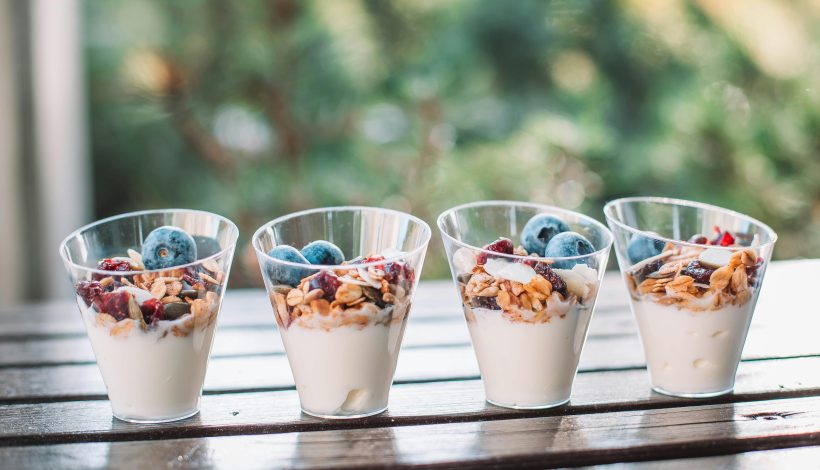
Fermented foods are among the most powerful allies for gut health. Yogurt, kefir, sauerkraut, kimchi, miso, and kombucha contain live probiotics that help balance intestinal bacteria. These foods can improve digestion, reduce bloating, and enhance immune function. Even small daily servings can make a noticeable difference over time.

Prebiotic foods feed your beneficial gut bacteria, helping them thrive. Garlic, onions, leeks, asparagus, bananas, and whole grains are rich in prebiotic fibers that fuel probiotic activity. Pairing prebiotics with probiotic foods — for example, adding garlic to a sauerkraut dish — can maximize gut support and enhance anti-inflammatory effects.

Fiber-rich fruits, vegetables, nuts, and seeds also play a key role in gut health. They promote regular bowel movements, stabilize blood sugar, and reduce chronic inflammation that contributes to fatigue, joint pain, and cardiovascular risk. Eating a colorful variety ensures you get a broad spectrum of nutrients and phytonutrients to nourish your microbiome.

Patient Perspective:
Improving gut health doesn’t require drastic changes. Introducing one probiotic-rich food and one prebiotic food per day is a simple start. Tracking how your body responds — such as reduced bloating, improved digestion, or better energy — helps reinforce habits and encourages long-term consistency.

Nursing Perspective:
Nurses support patients in understanding the connection between diet, gut health, and inflammation. Educating on probiotic and prebiotic sources, providing practical meal suggestions, and monitoring improvements ensures safe, sustainable lifestyle changes. Small, consistent adjustments can yield meaningful benefits for both gut function and overall wellness.

💡 Tip to Try This Week:
Add one fermented food and one prebiotic-rich food to your daily meals. For example, top your salad with a spoonful of sauerkraut and include a banana with breakfast. These simple choices support beneficial gut bacteria, reduce inflammation, and enhance digestion naturally.

Written by Rosie Moore, DNP, RN, LNC, BC-FMP

Understanding Depression and Finding Natural Hope

Depression affects millions of people worldwide, yet it is often misunderstood. It’s more than just feeling sad — depression can bring persistent low mood, loss of interest in activities, fatigue, difficulty concentrating, and changes in appetite or sleep. While professional treatment is crucial, there are natural strategies that can complement care and bring a sense of hope and control.

Lifestyle habits play a major role in mental health. Regular physical activity stimulates neurotransmitters like serotonin and endorphins, which help elevate mood and reduce anxiety. Even short walks, stretching routines, or gentle strength exercises can make a meaningful difference when practiced consistently.

Nutrition also impacts brain health. Diets rich in whole foods, omega-3 fatty acids, antioxidants, and fiber support mood regulation and overall well-being. Minimizing processed foods, excessive sugar, and alcohol can reduce inflammation and improve energy and mental clarity.

Sleep and stress management are equally important. Inadequate rest or chronic stress can worsen symptoms of depression, while mindful practices such as meditation, deep breathing, journaling, or spending time in nature can provide emotional balance and clarity. Social support further strengthens resilience — meaningful connections with friends, family, or support groups can reduce isolation and provide encouragement.

Patient Perspective:
Depression can feel overwhelming, but integrating small, intentional habits into daily life can restore a sense of agency and hope. Tracking mood patterns, celebrating small victories, and seeking out supportive connections help reinforce progress and resilience.

Nursing Perspective:
Nurses provide critical guidance for patients with depression, helping them identify lifestyle strategies, understand treatment options, and monitor mental health safely. Encouraging consistent self-care, providing education on nutrition and exercise, and fostering open communication ensures patients feel supported in their journey toward wellness.

💡 Tip to Try This Week:
Choose one small action that nurtures your mental health: go for a short walk, add a serving of omega-3-rich fish or nuts to your meals, practice a 5-minute mindfulness exercise, or reach out to a friend or support group. Small, consistent steps can help lift mood, reduce stress, and foster hope naturally.

Written by Rosie Moore, DNP, RN, LNC, BC-FMP

Managing Urinary Incontinence and Pelvic Floor Health After Pregnancy

Urinary incontinence — the unintentional loss of bladder control — is a common concern for women, particularly after pregnancy and childbirth. Weakening of the pelvic floor muscles, hormonal changes, and the physical strain of carrying a baby can contribute to leakage, urgency, or difficulty controlling the bladder. Understanding the causes and strategies to strengthen the pelvic floor can restore confidence and improve daily life.

Pelvic floor muscles provide essential support for the bladder, uterus, and bowel. Pregnancy, vaginal delivery, and certain gynecologic surgeries can stretch or weaken these muscles, leading to urinary incontinence. Even mild leakage can feel frustrating, but targeted exercises and mindful lifestyle adjustments can make a significant difference.

Medical and therapeutic options are available. Pelvic floor physical therapy helps women regain muscle strength and coordination through guided exercises and posture training. Medications may also be recommended in some cases to manage bladder contractions or improve sphincter function. Early intervention often leads to the best outcomes, so seeking guidance as soon as symptoms appear is key.

Lifestyle strategies complement professional care. Maintaining a healthy weight, avoiding bladder irritants (like caffeine and excess sugar), and staying hydrated in moderation support bladder health. Regular practice of pelvic floor exercises, also called Kegels, can be done at home and gradually improve strength and control.

Patient Perspective:
Recovering pelvic floor strength and bladder control after pregnancy can feel challenging, but small, consistent actions lead to meaningful results. Tracking progress, celebrating improvements, and openly discussing concerns with a healthcare provider empowers women to regain confidence and enjoy everyday life without fear of leakage.

Nursing Perspective:
Nurses play a critical role in educating patients about urinary incontinence and pelvic floor health. Guiding women through proper exercise technique, reviewing lifestyle modifications, and monitoring progress ensures safe, effective recovery. Encouraging consistent practice and offering reassurance builds both confidence and long-term success.

💡 Tip to Try This Week:
Set aside 5 minutes each day for pelvic floor exercises. Focus on slow, controlled contractions and releases of the muscles that support the bladder. Combine with mindful posture and deep breathing. Small, consistent practice strengthens your pelvic floor, improves bladder control, and supports overall core stability.

Written by Rosie Moore, DNP, RN, LNC, BC-FMP
Lowering Cholesterol Naturally: Supporting Heart Health Every Day

Cholesterol is essential for many body functions, but when levels become too high, it can increase the risk of heart disease and stroke. Many people are surprised to learn that simple lifestyle changes can significantly improve cholesterol levels — often complementing or even reducing the need for medications.

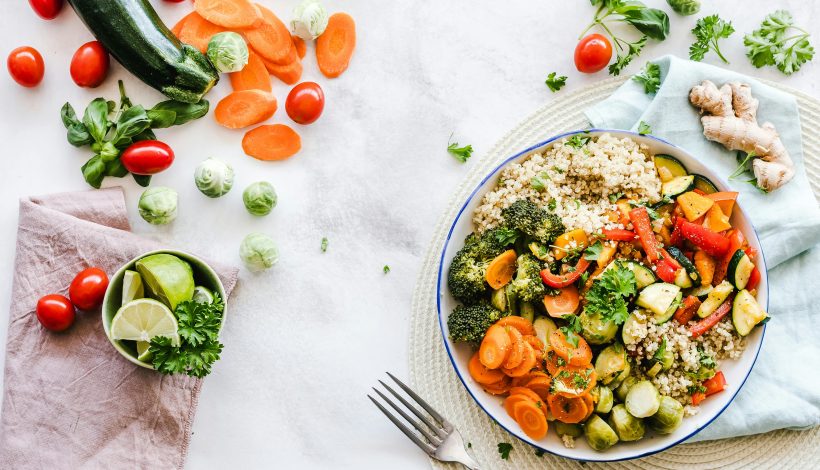
Diet plays a central role in cholesterol management. Incorporating fiber-rich foods like oats, beans, lentils, fruits, and vegetables helps reduce LDL, the “bad” cholesterol. Healthy fats, including those from olive oil, nuts, seeds, and fatty fish, support heart health while improving HDL, the “good” cholesterol. Minimizing processed foods, trans fats, and excess sugar further protects your arteries and cardiovascular system.

Regular physical activity is equally important. Exercise not only helps control weight but also increases HDL levels and improves overall circulation. Low-impact aerobic activities, strength training, and even brisk walking for 20–30 minutes a day can make a noticeable difference over time.

Weight management and stress reduction are additional factors. Excess body fat, particularly around the waist, contributes to higher cholesterol and inflammation. Mindfulness practices, deep breathing, and consistent sleep routines help lower stress hormones that can negatively impact lipid levels.

Patient Perspective:
Taking control of cholesterol doesn’t require drastic measures overnight. Small, intentional steps — like adding an extra serving of vegetables, walking after meals, or swapping out processed snacks for nuts — build habits that support heart health and overall wellness. Tracking progress and celebrating improvements reinforces motivation and long-term success.

Nursing Perspective:
Nurses play a vital role in guiding patients to adopt natural strategies for cholesterol management. Educating about diet, exercise, stress reduction, and proper monitoring empowers patients to take ownership of their heart health. Nurses also help patients understand lab results, set realistic goals, and recognize when medical interventions are necessary.

💡 Tip to Try This Week:
Choose one heart-healthy swap for your meals — for example, replace butter with olive oil, enjoy a handful of nuts instead of chips, or add beans to your salads. These small changes, done consistently, support lower cholesterol, better energy, and long-term heart health.

Written by Rosie Moore, DNP, RN, LNC, BC-FMP