

Category Archives: Health/Wellness

Exercising with Hip and Knee Pain: Why It Matters and How to Do It Safely

Hip and knee pain, whether from aging, injury, or chronic conditions, can make movement feel intimidating. Many people naturally avoid exercise when joints hurt, but staying active is actually one of the most important ways to maintain strength, mobility, and overall function. Proper movement helps prevent stiffness, supports recovery, and can reduce future injury risk.

Understanding the cause of your pain is key. After an injury, muscles, ligaments, and connective tissues around the hip and knee may weaken, leading to instability and altered movement patterns. Avoiding activity altogether can worsen weakness and reduce joint support, which may make pain and functional limitations more pronounced over time. Exercising with guidance helps rebuild strength safely.

Low-impact, joint-friendly exercises are often the most effective. Options like swimming, stationary cycling, resistance band work, gentle yoga, or targeted physical therapy routines allow you to strengthen muscles around the joints without excessive strain. Core strengthening also supports hip and knee stability by improving posture and alignment. Small, consistent movements improve flexibility, reduce pain, and enhance balance.

Patient Perspective:
Staying active with joint pain can feel intimidating, but small, manageable steps make a difference. Focusing on exercises that don’t aggravate your pain, combining strength with gentle stretching, and tracking progress gradually restores confidence and mobility. Pairing movement with proper nutrition and hydration supports overall recovery and joint health.

Nursing Perspective:
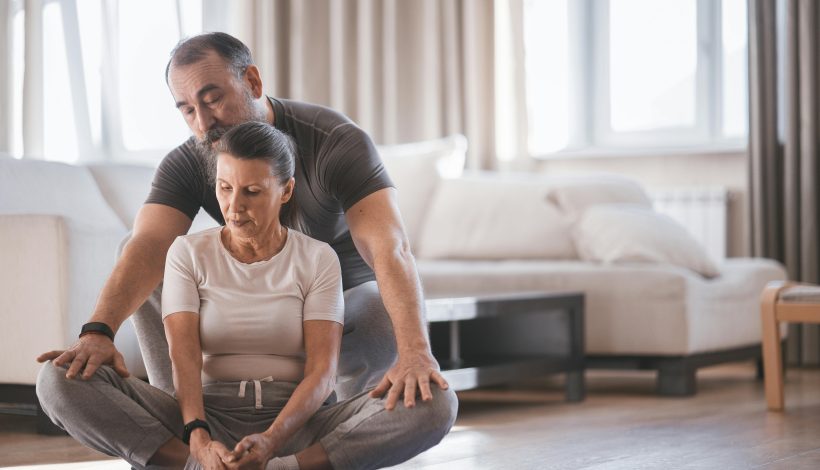
Nurses play an important role in guiding patients through safe activity after injury or with chronic joint pain. Demonstrating proper technique, suggesting modifications, monitoring for warning signs, and encouraging consistent participation ensures that exercises support recovery without causing harm. Education and reassurance empower patients to stay active while protecting their joints.

💡 Tip to Try This Week:
Select one low-impact exercise to support your hips and knees, such as a 10-minute stationary bike session, seated leg lifts, or gentle bridges. Focus on controlled movements and proper alignment. Consistency, even in small sessions, strengthens the muscles that support your joints, reduces pain, and improves overall mobility.

Written by Rosie Moore, DNP, RN, LNC, BC-FMP

Building Trust in the Healing Process

Functional medicine can feel “different” compared to a typical doctor’s visit. Many people know they want to feel better, but they aren’t sure how it works or why it might take more time and commitment. Often, it’s not a lack of trust in the practitioner — it’s a need to trust the process itself.

Trust grows when patients see evidence that change is possible. Even small improvements — better sleep, reduced stress, more energy — help build confidence in the process.

Imagine starting a new workout plan. At first, you might feel unsure if it will work. But as you notice small improvements — running a bit farther, feeling stronger, sleeping better — you start to trust the program and your ability to succeed. Healing works the same way.

  • Celebrate small wins: Track your progress, even minor improvements, to reinforce that change is happening.

  • Educate yourself: Understanding how functional medicine works can reduce fear and uncertainty.

  • Ask questions: Clarifying what each step of the process is for can increase confidence and engagement.

Trust in the healing process doesn’t happen overnight, but consistent action and small victories build it naturally. Recognize each step forward — no matter how small — as proof that your body can respond and transform.

Try tracking one small change this week, like adding an extra 15 minutes of movement or improving your sleep routine, and notice how it makes a difference.

Written by Rosie Moore, DNP, RN, LNC, BC-FMP
Osteoporosis: Protecting Your Bones for Long-Term Health

Osteoporosis is a condition where bones become fragile, increasing the risk of fractures and affecting mobility and quality of life. It often develops silently over time, so understanding the causes, risk factors, and ways to protect your bones is essential for both patients and healthcare professionals.

Bone health is influenced by several factors. Age, hormonal changes — especially in postmenopausal women — and genetics play a role in bone density. Lifestyle choices, such as diet, physical activity, and avoiding smoking or excessive alcohol, are factors you can control to reduce your risk. Recognizing these factors early allows you to take proactive steps toward maintaining strong, healthy bones.

Detecting osteoporosis early is crucial. Regular bone density screenings, especially for women over 50 or individuals with risk factors, help identify bone loss before fractures occur. Nurses and healthcare providers play a key role in educating patients about screening recommendations and interpreting results to guide interventions.

Developing a plan to protect bone health combines nutrition, supplements, and exercise. Diets rich in calcium, vitamin D, and protein provide the building blocks for strong bones. Bone-supporting supplements may also be recommended based on individual needs. Weight-bearing exercises, such as walking, light resistance training, or balance-focused movements, strengthen bones and improve mobility, while reducing the risk of falls and fractures.

Patient Perspective:
Protecting your bones is about small, consistent actions. Incorporating calcium-rich foods like dairy, leafy greens, or fortified alternatives, engaging in daily movement, and following your provider’s guidance for screenings and supplements empowers you to take control of your bone health and maintain independence.

Nursing Perspective:
Nurses are vital in guiding patients through osteoporosis prevention and management. From teaching proper exercise techniques to monitoring dietary habits and ensuring adherence to supplements or medications, nurses help patients implement practical strategies that support long-term bone strength and overall wellness.

💡 Tip to Try This Week:
Add one bone-protecting habit to your routine — such as 10 minutes of weight-bearing exercise, a calcium-rich snack, or a short walk outdoors for vitamin D. Small, consistent actions strengthen bones, improve balance, and reduce the risk of fractures over time. Tracking progress and celebrating these healthy habits reinforces motivation and long-term commitment.

Written by Rosie Moore, DNP, RN, LNC, BC-FMP

Why Healing Takes More Than Just Wanting It: The Responsibility of Functional Medicine

Many people want to feel better, sleep well, lose weight, or have more energy — but the truth is, healing takes more than just wanting it. Functional medicine isn’t a magic pill; it’s a partnership. When clients struggle to follow through, it’s not because you’re not qualified — it’s often because the responsibility of the process feels overwhelming.

Functional medicine asks for a few things from every client:

  • Lifestyle changes like better sleep, stress management, and movement

  • Lab testing to understand what’s happening under the surface

  • Supplements or medications tailored to your needs

  • Shifts in mindset and daily habits

Many people admire the idea of transformation, but subconsciously, fear or avoidance kicks in when the work is clear. They might say “yes” in conversation because they like or trust you — but when it’s time to take action, they hesitate.

Think about it like this: you can dream about running a marathon, but signing up for training and sticking with it every day is the real work. Transformation requires commitment, and that can feel scary, even if you really want the change.

Tips to Approach Responsibility:

  • Reframe your mindset: view investing in your health as empowerment, not just “paying for a service.”

  • Start small: begin with one lifestyle change at a time.

  • Celebrate mini-wins: each positive step builds momentum and confidence.

Healing is a journey. Wanting it is the first step, but responsibility and daily action make the transformation real. By embracing the process, you give yourself the gift of lasting change — not just temporary relief.

Take a small step today toward your wellness journey — even one positive habit counts.

Written by Rosie Moore, DNP, RN, LNC, BC-FMP

Strengthen Your Core Muscles to Support Your Back and Overall Health

Back pain is one of the most common complaints among adults, and a weak core often plays a major role. The core isn’t just your abs — it includes the muscles around your pelvis, lower back, and hips. When these muscles are weak, your body compensates in ways that can lead to pain, poor posture, and even increased risk of injury. Strengthening your core can improve stability, reduce discomfort, and support everyday movements.

Core strength also impacts more than just your back. Strong core muscles help improve balance, protect joints, enhance athletic performance, and support functional activities like bending, lifting, or even standing for long periods. For patients recovering from injury, rehabilitation exercises often include gentle core strengthening to reduce recurrence of pain and improve overall function.

Nutrition and lifestyle habits support core health as well. Adequate protein helps muscles repair and grow, while staying hydrated and maintaining a healthy weight reduces unnecessary strain on the spine. Regular movement, even simple activities like walking or stretching, complements core exercises and helps prevent stiffness or inflammation that can worsen pain.

Patient Perspective:
Building core strength doesn’t have to be intimidating or time-consuming. Simple, consistent exercises — like planks, bridges, seated marches, or gentle pelvic tilts — can make a noticeable difference in stability and comfort. Practicing these movements daily, even for a few minutes, empowers you to take control of your back health and mobility.

Nursing Perspective:
Nurses play a critical role in guiding patients to safely strengthen their core. Providing instruction on proper technique, monitoring form, and suggesting modifications ensures that exercises are effective without causing additional strain. Encouraging consistency and helping patients set achievable goals increases adherence and improves outcomes.

💡 Tip to Try This Week:
Choose one core-strengthening exercise to incorporate into your daily routine, such as a 20-second plank, glute bridge, or seated abdominal contraction. Focus on proper form rather than duration or intensity, and repeat consistently. Pair with hydration and gentle stretching for optimal results. Even small, regular efforts help support your back, posture, and overall strength.

Written by Rosie Moore, DNP, RN, LNC, BC-FMP