
Category Archives: Health/Wellness

What Functional Medicine Does Differently

By Rosie Moore, DNP, RN, LEHP, LNC, BC-FMP
Doctor of Nursing Practice | Functional Medicine Nurse Consultant

Many people who have been injured or are dealing with chronic symptoms find themselves stuck in a frustrating cycle. They follow doctor’s orders, take medications, and try physical therapy—but the pain, fatigue, or brain fog persists. Traditional care often focuses on managing symptoms, yet the root causes frequently remain hidden.

Functional medicine takes a different path. Instead of just addressing the surface, we dig deep to uncover what is truly preventing your body from healing. This means asking questions like:

  • What is triggering chronic inflammation in your body?
  • How is your gut health affecting your immune system, energy levels, and brain function?
  • Are there nutrient deficiencies or hormone imbalances that need correction?
  • What lifestyle or environmental factors might be slowing your recovery?

Using advanced, specialized lab testing and a thorough review of your health history and lifestyle, we create a personalized plan designed to support your body’s natural healing processes. This is about empowering your health, not just masking symptoms with medications.

Who Can Benefit From Functional Medicine?

Functional medicine is ideal for individuals who:

  • Are recovering from injuries but continue to experience pain or limited mobility
  • Struggle with unexplained fatigue or persistent brain fog
  • Feel that their symptoms are being overlooked or dismissed by conventional providers
  • Want to avoid a purely pharmaceutical approach and explore natural, holistic healing
  • Are ready to take an active role in their health and wellness journey

Your Next Step

If you’re tired of feeling unheard and want to understand why your symptoms persist, I invite you to schedule an Initial Functional Assessment. This session is a great starting point, and the cost applies toward any further care plans if you choose to continue.

Initial Functional Health Consultation: $25.00
Click here to book your session

Contact Information:
Rosie Moore, DNP, RN, LEHP, LNC, BC-FMP
Doctor of Nursing Practice | Functional Medicine Nurse Consultant
Serving Orlando and surrounding areas
407-760-1662 | rosie@jrmnurseconsultants.com
www.jrmnurseconsultants.com

Understanding Age-Related Muscle Loss and How to Combat It

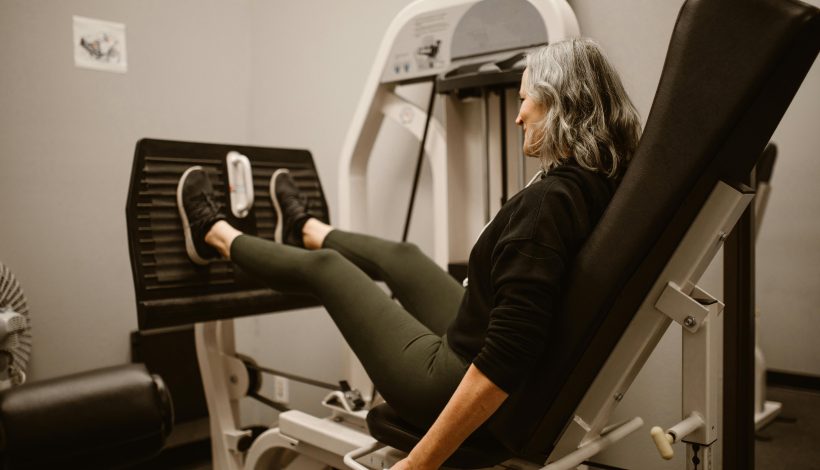
As we age, our bodies naturally lose muscle mass and strength, a process known as sarcopenia. This decline can affect balance, mobility, and overall health, increasing the risk of falls and impacting daily activities. For patients and healthcare professionals alike, understanding the causes and strategies to combat muscle loss is essential for maintaining independence and quality of life. Muscle loss often starts as early as age 30, and while it can’t be completely reversed, there are things we can do to slow it down, maintain strength, and stay active.

Several factors contribute to muscle loss. Aging itself reduces muscle mass, but lifestyle habits like low physical activity or not getting enough protein can make it worse. Hormonal changes, such as lower testosterone or growth hormone, also play a role. Chronic inflammation or conditions like diabetes, cancer, or kidney disease can further impact muscle health. Even the nerves that signal our muscles can decline over time, making strength and coordination harder to maintain.

Nutrition plays a pivotal role in preserving muscle health. Adequate protein intake, combined with essential vitamins and minerals such as vitamin D, calcium, and magnesium, supports muscle maintenance and repair. Foods like lean meats, fish, dairy, legumes, and eggs can help provide the building blocks your muscles need to stay strong. Ensuring balanced nutrition alongside sufficient hydration further supports overall physical resilience.

Physical activity is equally crucial. Resistance and strength training exercises stimulate muscle growth and improve functional fitness. Simple, consistent activities — like bodyweight exercises, resistance bands, or light weightlifting — can make a significant difference over time. For older adults or those recovering from injury, guided exercise programs ensure safety while optimizing results.

Lifestyle factors, including adequate sleep and stress management, also impact muscle preservation. Chronic stress and poor sleep can increase inflammation and interfere with muscle repair. Mindful practices, relaxation techniques, and prioritizing rest help create an environment where muscles can recover and thrive.

Patient Perspective:
Maintaining muscle as you age is not just about aesthetics; it directly affects independence and confidence. Incorporating small, sustainable changes in activity, nutrition, and daily habits can slow muscle loss and improve energy, balance, and overall quality of life. Tracking progress and celebrating improvements reinforces motivation and a sense of control.

Nursing Perspective:
Nurses play a vital role in educating patients about the importance of muscle health. By guiding safe exercise routines, providing nutrition counseling, and monitoring functional status, nurses help patients maintain strength and mobility while preventing injury. Empowering patients with practical strategies encourages adherence and long-term success.

💡 Tip to Try This Week:
Choose one activity that challenges your muscles safely, such as a 10-minute resistance band routine, bodyweight squats, or a short walk with light hand weights. Pair it with a protein-rich snack afterward to support muscle repair. Consistency, even in small doses, is key to preserving strength and functional independence as you age.

Written by Rosie Moore, DNP, RN, LNC, BC-FMP

Have You Been Told ‘It’s All in Your Head’?

By Rosie Moore, DNP, RN, LEHP, LNC, BC-FMP
Doctor of Nursing Practice | Functional Medicine Nurse Consultant

Have you ever left a doctor’s office feeling dismissed because your labs and scans came back “normal,” yet you still struggle with symptoms like brain fog, chronic fatigue, digestive issues, or unexplained pain?

You’re not imagining it. And you’re definitely not alone.

Many patients live with real, ongoing symptoms that conventional medicine doesn’t always detect or fully understand. They are told things like, “It’s all in your head,” or “You just need to relax,” or “There’s nothing wrong.” This can leave you feeling invalidated and stuck, searching for answers that seem just out of reach.

Why This Happens

Standard medical tests are designed to identify clear disease markers or acute injuries. However, many chronic symptoms arise from subtle, systemic imbalances—things that don’t always show up in routine lab work or imaging studies.

Functional Medicine takes a different approach. It focuses on the interconnected systems of your body—your hormones, your gut health, your immune response, your nervous system—and how imbalances in these areas can cause real suffering.

Even if traditional labs say “normal,” your body may still be struggling to maintain balance.

Common Misconceptions That Hurt Recovery

  • Being told it’s “just stress” can minimize the real physiological effects of chronic stress on your body’s healing.
  • Assuming symptoms are psychological ignores the complex biochemical and neurological causes that may underlie your pain or fatigue.
  • Waiting for disease to develop before receiving care means missed opportunities for early intervention and true healing.

What Functional Medicine Offers

Functional Medicine seeks to uncover why your symptoms are present and address those root causes. This may involve:

  • Comprehensive lab assessments that go beyond standard reference ranges to evaluate your functional status
  • Detailed review of your diet, lifestyle, environmental exposures, and emotional health
  • Personalized protocols to reduce inflammation, support detoxification, balance hormones, and restore gut health
  • Mind-body strategies to calm the nervous system and reduce chronic stress

This whole-person perspective recognizes you are more than a set of lab results—you are a unique individual whose symptoms deserve personalized care and validation.

You Deserve to Be Heard and Healed

If you’ve been told it’s all in your head, or you don’t have a “real” illness, but you still feel unwell, know that your symptoms are real and meaningful. You don’t have to accept this as your new normal.

At JRM Nurse Consultants, I’m committed to listening, understanding, and guiding you on your journey back to health. Whether you’re battling brain fog, chronic pain, fatigue, or emotional imbalance, functional medicine offers a compassionate and effective path forward.

Take the Next Step

If you’re ready to move beyond confusion and frustration, I invite you to schedule an Initial Functional Health Consultation  to begin uncovering your unique root causes

Click here to book your session

Contact Information:
Rosie Moore, DNP, RN, LEHP, LNC, BC-FMP
Doctor of Nursing Practice | Functional Medicine Nurse Consultant
Serving Orlando and surrounding areas
407-760-1662 | rosie@jrmnurseconsultants.com
www.jrmnurseconsultants.com



Fighting Inflammation: Practical Strategies for Better Health

Inflammation is a natural response by the body to injury, infection, or stress, but chronic inflammation can silently contribute to pain, fatigue, and long-term health issues. It affects not only those recovering from injury but also anyone managing chronic conditions such as arthritis, autoimmune disorders, or metabolic imbalances. Understanding how to identify and reduce inflammation can empower patients to take control of their health while helping nurses guide effective care.

Nutrition plays a powerful role in controlling inflammation. Foods rich in antioxidants, omega-3 fatty acids, and fiber — such as colorful vegetables, berries, fatty fish, nuts, and seeds — can help reduce inflammatory responses. Conversely, highly processed foods, added sugars, and excessive saturated fats may worsen inflammation. Small, consistent dietary changes often make the biggest difference over time.

Movement is another essential tool in the fight against inflammation. Gentle aerobic exercise, stretching, or low-impact strength training supports circulation, reduces stiffness, and enhances the body’s natural anti-inflammatory processes. For those recovering from injury, guided physical therapy or functional movement exercises can safely incorporate activity while minimizing risk.

Stress management also affects inflammation. Chronic stress triggers hormonal changes that can increase inflammatory markers and worsen pain or fatigue. Mindfulness techniques, breathing exercises, yoga, or even a short daily walk can help calm the nervous system and support overall wellness. Combining physical and mental strategies gives the body a stronger foundation to heal.

Patient Perspective:
Managing inflammation is a journey, not a quick fix. Making intentional choices about food, movement, and stress each day empowers you to reduce pain, improve energy, and protect long-term health. Tracking symptoms and celebrating small improvements helps maintain motivation and confidence.

Nursing Perspective:
Nurses are on the front lines of patient education. By helping patients understand how lifestyle factors influence inflammation and guiding safe movement or dietary changes, nurses support healing and reduce the risk of chronic complications. Providing clear, actionable strategies fosters both trust and better outcomes.

Tip to Try This Week:
Add one anti-inflammatory habit to your daily routine — for example, a serving of berries with breakfast, a 10-minute walk, or five minutes of mindful breathing. Small, consistent steps can make a noticeable difference in inflammation and overall well-being. Track how you feel each day and celebrate even minor improvements. Remember, sustainable change comes from steady, intentional actions rather than drastic overnight shifts.

Written by Rosie Moore, DNP, RN, LNC, BC-FMP

The Recovery Blueprint: A Functional Medicine Nurse’s Guide

By Rosie Moore, DNP, RN, LNC, BC-FMP
Doctor of Nursing Practice | Functional Medicine Nurse Consultant

Have you ever been told you’re “cleared” after an injury—yet deep down, you know you’re not okay?

You’ve done the physical therapy. The X-rays and scans look fine. Your physician says there’s nothing more they can do. But inside, you feel the lingering effects: pain that comes and goes, overwhelming fatigue, brain fog that makes even simple decisions difficult, or emotional distress that no one seems to be addressing.

This is the reality for many individuals recovering from injuries, whether it’s from a car accident, workplace injury, surgery, or even a chronic condition. The traditional healthcare model is designed to get you out of crisis—but it often falls short when it comes to restoring true function and quality of life.

As a Functional Medicine Nurse Consultant and Doctor of Nursing Practice, I work with people in that “in-between” stage—after the urgent care is done, but long before you feel like yourself again. My recovery philosophy is rooted in listening to your whole story, not just your symptoms, and identifying where healing has stalled at the root level.

This is where functional medicine shines. We look beyond the obvious to uncover hidden inflammation, hormone imbalances, gut disruptions, stress overload, and nutrient deficiencies—all of which can delay recovery and prevent you from thriving. We explore your environment, sleep quality, emotional well-being, movement, and even trauma history. Nothing is off the table because everything is connected.

Next Steps

If you’re feeling overwhelmed and unsure of how to heal after an injury, you’re not alone. I use a structured, step-by-step system called the Foundations of Healing to guide clients toward lasting recovery—addressing pain, inflammation, hormone imbalances, stress, and more at the root level.

To learn how this approach can work for you, click here to schedule your $25 initial consultation. During our session, we’ll discuss your unique case and walk through how this personalized system could help you move forward.

Contact:
Rosie Moore, DNP, RN, LEHP, LNC, BC-FMP
Doctor of Nursing Practice | Functional Medicine Nurse Consultant
Email: rosie@jrmnurseconsultants.com
Phone: 407-760-1662
Fax: 727-279-2103
Website: https://jrmnurseconsultants.com

If you’ve been discharged but still feel “off”… know this: You are not imagining things. And you do not have to figure this out alone.

Schedule an Initial Functional Health Consultation to begin uncovering your unique root causes

Click here to book your session

Contact Rosie Moore, DNP, LNC, RN
Doctor of Nursing Practice | Functional Medicine Nurse
Email: rosie@jrmnurseconsultants.com
Phone: 407-760-1662
Fax: 727-279-2103
Website: https://jrmnurseconsultants.com