
Tag Archives: Functional Medicine

Cardiovascular and Metabolic Health Challenges in Menopausal Women

Menopause is a natural transition in a woman’s life, but it often brings physiological changes that can impact cardiovascular and metabolic health. Understanding these risks is essential for both healthcare providers and women themselves. Nurses play a key role in education, prevention, and advocacy for healthy aging.

Cardiovascular Risks in Menopause:
The decline in estrogen during menopause affects the cardiovascular system. Key concerns include:

  • Increased blood pressure

  • Changes in cholesterol levels (higher LDL, lower HDL)

  • Greater risk of heart disease and stroke

Nursing Perspective:
Monitoring vital signs, patient education on heart-healthy habits, and advocating for regular screenings can reduce cardiovascular risk.

Metabolic Dysfunction:
Menopause can also affect metabolism, leading to:

  • Weight gain, particularly around the abdomen

  • Insulin resistance and a higher risk of type 2 diabetes

  • Changes in lipid and glucose metabolism

 Lifestyle and Functional Medicine Interventions:
Nurses and healthcare providers can guide patients toward sustainable interventions:

  • Nutrition: Emphasize anti-inflammatory foods, balanced macronutrients, and adequate fiber.

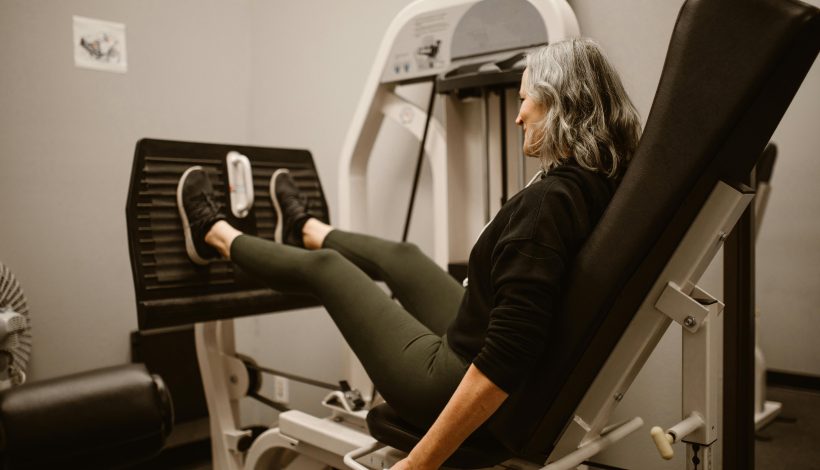
  • Physical activity: Regular aerobic and resistance exercise to support heart health and metabolism.

  • Sleep and stress management: Quality sleep and stress reduction techniques improve insulin sensitivity and cardiovascular resilience.

  • Functional labs and personalized assessment: Identify hormonal imbalances, metabolic markers, and cardiovascular risk factors to tailor care.

Patient Perspective:
Women can feel empowered by understanding these changes. Small, consistent lifestyle adjustments, combined with regular check-ups, can significantly reduce long-term risks.

Menopause doesn’t have to mean inevitable cardiovascular or metabolic decline. Through awareness, proactive monitoring, and lifestyle interventions, nurses can help women maintain heart and metabolic health, improve quality of life, and promote longevity.

This week, women experiencing menopause can schedule a basic cardiovascular and metabolic screening — a first step in proactive, empowered care.

Written by Rosie Moore, DNP, RN, LNC, BC-FMP

Supplements for Your Health Goals

Take control of your wellness with personalized, high-quality supplements curated to support your unique health needs. Whether you’re looking to improve blood sugar, blood pressure, joint health, or overall energy, our Fullscript dispensary makes it easy to get doctor-recommended supplements delivered straight to your door.

💊 Why choose these supplements?

  • Expert-curated and evidence-based

  • Supports weight management, metabolism, and overall wellness

  • Convenient online ordering with home delivery

  • Receive a special discount on your first order

  • Save on recurring orders with automatic refills

Start supporting your health today: https://us.fullscript.com/welcome/jrmnurseconsultants

“What If We Could Get Them Back to Work Safely—Without the Headaches?”: The Employer’s Dilemma

By Dr. Rosie Moore, DNP, RN, LNC, LEHP, BC-FMP
“Understanding the Human Side of Injury Recovery: Real Stories, Real Struggles, Real Solutions” – Part 3 of 3

Carlos’s Story:
Carlos watched as his top technician suffered a serious injury on the job. Productivity dipped, paperwork piled up, and Carlos worried not just about the immediate costs but whether his employee would ever return — and how he would replace him if he didn’t.

For employers, workplace injuries aren’t just about dollars and cents. They’re about the heart of the business — the people.

The High Cost of Uncertainty
Injuries impact:

  • Financial bottom lines due to lost productivity and workers’ compensation claims

  • Legal risks from non-compliance or improper accommodations

  • Employee morale and workplace culture are affected when injured workers feel unsupported

Trying to Do the Right Thing, But…
Employers juggle:

  • Coordinating between doctors, insurers, injured workers, and HR

  • Managing accommodations while keeping the business running smoothly

  • Communicating effectively despite complex systems and multiple stakeholders

Workforce Wellness Beyond Checklists
Real recovery means:

  • Supporting injured employees as whole people, not just cases

  • Early intervention to prevent complications

  • Offering resources that address physical, emotional, and social needs

How I Make It Easier
As a functional medicine nurse consultant and injured worker advocate, I help employers:

  • Coordinate care efficiently to reduce downtime

  • Implement early, personalized intervention strategies

  • Provide wellness resources that lower claims and improve retention

The Business Case for Functional Support
Investing in comprehensive care means:

  • Fewer lost workdays

  • Happier, healthier employees

  • Stronger, more resilient teams

Call to Action:
Let’s talk about reducing lost time, improving morale, and keeping your workforce healthy and engaged.
Schedule a free discovery call or visit jrmnurseconsultants.com

“I’m Not Just Treating a Back—There’s a Person Behind That Pain”: What Doctors Are Really Facing

By Dr. Rosie Moore, DNP, RN, LNC, LEHP, BC-FMP
“Understanding the Human Side of Injury Recovery: Real Stories, Real Struggles, Real Solutions” – Part 2 of 3


Dr. Patel’s Day

Dr. Patel glanced at her overflowing patient list. One after another, she saw patients struggling with chronic pain, complicated workers’ comp cases, and frustrated employers breathing down her neck for updates. There simply wasn’t enough time to give each person the whole care they deserved.

She wanted to do more—understand their stories, connect the dots, and help them heal completely. But the pressure of paperwork, insurance approvals, and employer demands left her exhausted and often feeling like she was just putting out fires.


The Pressure Cooker of Clinical Practice

Doctors and medical providers are caught in a high-stakes balancing act every day. They strive to:

  • Deliver quality patient care while managing mounting administrative tasks

  • Navigate the complexities of workers’ compensation regulations

  • Communicate with employers, insurers, and patients who each have different priorities

  • Keep up-to-date with evolving treatment guidelines and functional medicine advances

This tightrope walk often leaves little room to address the root causes behind pain or chronic conditions.


Caught in the Middle

Providers frequently find themselves stuck between:

  • Patients hoping for relief and understanding

  • Insurers demanding cost-effective, evidence-based treatments

  • Employers needing timely, safe return-to-work plans

Miscommunications can lead to delayed approvals, treatment gaps, and increased frustration for everyone involved.


The Gaps No One Sees

Beyond the clinical symptoms are the psychosocial factors: anxiety, fear, family stress, and workplace pressures. Without time or resources to explore these fully, patient outcomes may suffer.

This is where collaborative care models—like incorporating functional medicine and personalized case management—can bridge the gap.


Functional Medicine as a Collaborative Bridge

I partner with providers like Dr. Patel to complement their care by:

  • Offering root-cause evaluations that consider lifestyle, nutrition, and stress

  • Coordinating between medical providers, employers, and insurers

  • Supporting patients emotionally and educationally throughout recovery

  • Reducing provider administrative burden with clear communication and updates

Together, we create a smoother, more comprehensive healing experience.


Let’s Work Together

If you’re a provider facing these challenges, I’d love to discuss how my functional medicine nurse consulting can lighten your load and improve your patients’ outcomes.


Call to Action:
Let me help you create smoother recoveries and stronger outcomes—for your patients and your peace of mind.
Contact me for a collaboration conversation: jrmnurseconsultants.com

“I Just Want to Feel Like Myself Again”: The Silent Struggles of Injured Workers

By Dr. Rosie Moore, DNP, RN, LNC, LEHP, BC-FMP
“Understanding the Human Side of Injury Recovery: Real Stories, Real Struggles, Real Solutions” – Part 1 of 3


Maria’s Story

Maria didn’t expect that one wrong move while lifting a box would change everything. She thought it was a simple strain. But the pain lingered. Then came the doctor visits, physical therapy appointments, confusing paperwork, insurance delays, and endless uncertainty.

Three months later, she was still out of work — physically hurting, emotionally drained, and terrified of losing the job she loved.

“I just want to feel like myself again,” she whispered through tears.

Maria isn’t alone.


The Hidden Emotional Toll

Workplace injuries don’t just affect the body — they shake a person’s entire identity. Many injured workers feel:

  • Anxious about how long recovery will take

  • Isolated from coworkers, routines, and daily purpose

  • Ashamed for being “the one who got hurt”

  • Powerless in a system that seems more focused on paperwork than people

Pain becomes more than physical. It’s emotional. Mental. Spiritual. And too often, invisible.


Stuck in the System

Most injured workers have never navigated workers’ comp before.
They’re suddenly thrown into:

  • Complex forms and denials

  • Conflicting advice from doctors, employers, and insurers

  • Appointments that focus on symptoms, not solutions

It’s easy to feel like a case number — not a person.

And when healing stalls or setbacks happen, many begin to wonder: “Will I ever feel normal again?”


The Fear No One Talks About

Behind the pain is a deeper fear:

  • “What if I can’t go back to work?”

  • “Will they replace me?”

  • “How will I support my family?”

This fear steals sleep, strains marriages, and can trigger depression.

That’s why recovery needs more than pills and paperwork — it needs compassionate, coordinated care.


What Real Support Looks Like

I’ve worked with countless workers like Maria. Here’s what changes everything:

  • Personalized recovery plans that address the root causes of pain, not just mask symptoms

  • Clear education so clients understand their body, options, and expected timeline

  • Emotional support and advocacy through every step of the system

  • Functional medicine strategies that improve sleep, reduce inflammation, and restore energy

Because when someone feels seen and supported, healing speeds up.


How I Can Help

If you or someone you love is feeling lost in the recovery process, I’m here to help.

As a nurse consultant and functional medicine provider, I work one-on-one with injured workers to create recovery strategies that restore function, reduce pain, and support safe return to work.

You’re not a claim. You’re a whole person — and you deserve care that reflects that.


Call to Action

You don’t have to go through this alone.
Let’s talk about a plan that puts your recovery — and your life — back on track.
Schedule a discovery call or visit jrmnurseconsultants.com